Art gifts
Choosing Art as a Gift
Subject, occasion, size and personality help turn an artwork into a gift with a genuine connection.
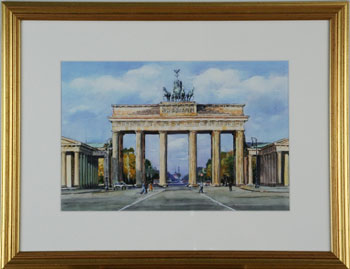
A successful art gift respects the recipient and connects the occasion, the subject and the way the work may later be displayed. The first response to art is allowed to matter, but it should not be the only basis for a purchase. Matching a sofa or carrying a famous name does not guarantee that a work will remain rewarding for years.
Berlin motifs, original prints and small art objects can be compared on Kaiserdamm by personal relevance and display needs. A useful selection process does not set enjoyment against practical questions. Subject, size, material and intended location can be considered in sequence. That leaves room for a personal response without overlooking condition, framing or handling.
Notice what brings you back
Use personal interests and meaningful places as the first point to examine. Which work do you choose to see again without prompting? Sustained attention and curiosity matter more than a universally correct response. A work that opens slowly may be the right choice.
Compare favourites separately as well as side by side. A quieter second viewing shows whether colour or familiarity dominated briefly. See Berlin Buddy Bears for a wider view of available media and subjects.
Turn a preference into a sound choice
- Personal interests and meaningful places. Notice whether this aspect still holds your attention on a second and third viewing.
- The occasion and intended permanence. Judge the effect separately and in comparison, not only within a long list of images.
- Size and available space. Clarify material, condition and handling while several works can still be compared.
- Framing, transport and presentation. Include wall, light and presentation without making the artwork imitate the interior.
This is not a scoring system. Include framing, transport and presentation consciously in the decision. When judging framing, transport and presentation, a smaller piece may be stronger than a larger one, while restrained presentation can give an energetic image room to breathe. Include size and available space while several options remain easy to compare.
The page Berlin steel engravings helps compare related artists, processes or themes. This is useful when a visual language appeals to you but you are not committed to one name. Similar colours do not guarantee a similar effect. Line, density, material and humour can separate two works completely.
Use online viewing for preparation
An online shop is valuable for narrowing subjects, sizes and types of work. Screen colour, crops and close-ups cannot communicate the physical scale of an original. Note any open question about the occasion and intended permanence and reduce the field to two or three serious options.
In a gallery, personal interests and meaningful places can be judged on the original at changing distances and in different light. Surface and scale become tangible, and missing information can be clarified. Questions are part of buying carefully, not a sign of hesitation.
Decisions that are often made too quickly
- Placing your own taste above the recipient’s.
- Choosing a large format without knowing the room.
- Leaving secure packaging until the day of the gift.
None of these questions benefits from artificial urgency. A shop selection is a snapshot and may change. Check size and available space against the specific offer.
Imagine the work in daily life
For framing, transport and presentation, a photograph of the wall, approximate dimensions and key furniture lines are more useful than a perfect drawing. Consider entrance and seating sightlines. Direct sun, radiators and narrow routes can rule out a location.
See Explore original prints for further ideas about presentation. When judging framing, transport and presentation, works on paper may call for a mount, profile, glazing and carefully chosen depth; sculpture places more emphasis on plinth, stability and views from several sides.
Personal guidance in Berlin
Bring room photographs, wall measurements and saved favourites to a consultation on Kaiserdamm. Personal advice provides the relevant contact or further information. Mention the works that interest you so that personal interests and meaningful places can be included in the discussion. Colour, surface and scale can then be compared without forcing a decision.
Berlin Motifs and Steel Engravings as Art Gifts explores a neighbouring choice and may help narrow the field. It also considers the occasion and intended permanence, a question that is easy to miss during an initial browse.
Begin with the person, not the occasion
An art gift becomes personal when it connects with a place, a memory or a lasting interest. It does not have to feature the most famous landmark or the most recognisable name. A familiar Berlin street, a particular printmaking process or a small figure may carry more meaning than a generally popular image. Ask what the recipient already chooses to live with rather than what the occasion is assumed to demand.
When the future wall is unknown, a smaller format and restrained framing leave more options. Advice before the purchase can also address secure transport and whether the recipient should take part in the final choice. A joint gallery appointment can itself become part of the gift, allowing the gesture to remain personal without imposing a work that does not suit the room.
Not every part of an art gift has to remain a surprise. A photograph of the intended wall or a discreet question about preferred colours can improve the choice without revealing the subject. For anniversaries and farewells, a personal connection to a place, artist or motif is often more meaningful than an imposing size. The work then carries a specific shared reference rather than functioning as a generic present.
Conclusion
A successful choice combines personal attraction with clear information. Begin with your own response, then consider personal interests and meaningful places, the occasion and intended permanence, size and available space and framing, transport and presentation. This keeps the decision personal without overlooking how the work will function in daily life.
Frequently asked questions
What size works well for an art gift?
Small and medium formats are usually easier to place. The recipient’s home, the subject and available wall space remain decisive.
Is a Berlin motif too specific?
Not when Berlin carries biographical or emotional meaning for the recipient. A recognisable place can make the gift especially personal.
Should the artwork already be framed?
A finished frame makes presentation easier. If taste is uncertain, choosing the frame together can be the better option.
Would you like personal advice in Berlin?
Bring your questions, room situation or artwork to Berliner Bilder Galerie. We will help you compare suitable options for art, framing and presentation.