
Displaying art
Hanging Pictures at the Right Height
Eye level, furniture, room use and image format are more reliable than one universal measurement.
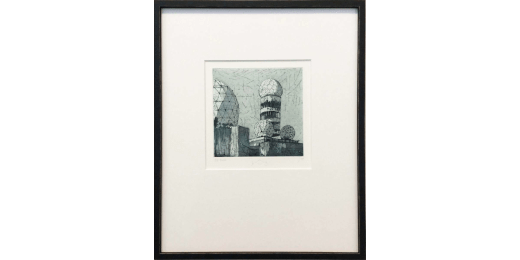
The right height follows the way a room is used and the optical centre of the image rather than a single fixed rule. A successful display starts before the first hole is drilled. Sightlines, wall dimensions, daily use and the real weight of each work need to be understood together.
In a Berlin apartment, office or practice, ceiling height and the direction of movement can lead to very different solutions. Photographs and measurements prepare the plan. Whether eye level while standing or sitting works as intended often becomes clear only in the room: where is the work first seen, what stands in front of it, and how does light change?
Read the room from normal viewpoints
To assess eye level while standing or sitting, move between the entrance, usual seating positions and main circulation routes. Furniture edges, doors and existing pictures often create more visual order than an abstract centre point.
Use removable paper tape or full-size templates to mark outer edges. This also tests alignment with neighbouring works without damaging the wall. See Compare gallery rails for relevant hanging or interior-art options.
Coordinate scale, spacing and height
- Eye level while standing or sitting. Check this aspect from the viewpoints that people actually use in the room.
- Distance from a sofa, sideboard or table. Mark spacing and axes with templates before making holes in the wall.
- Optical rather than purely geometric centre. Use the outside dimensions of frame or object and include its depth.
- Alignment with neighbouring works. Treat weight, wall construction and fixing as one technical task.
Measurements should not be read in isolation. When checking distance from a sofa, sideboard or table, use the actual outside dimensions rather than image size alone. Gaps within a group normally feel tighter than distances to furniture or room corners. In particular, avoid hanging every picture at one height regardless of furniture.
Record your observations about optical rather than purely geometric centre during the trial arrangement. Deep canvases and three-dimensional objects also have a side view. Art for interiors provides further help when comparing formats.
Complete the plan before installation
Record outside dimensions, weight, hanging points and intended position for every work. Then identify wall construction and possible services. A frequent planning error is measuring stairs and corridors only from the floor.
For distance from a sofa, sideboard or table within a group, install from the main axis outwards. Arrange the works on the floor first or use templates. Small measuring errors can then be corrected before installation.
Avoid problems before they reach the wall
- Hanging every picture at one height regardless of furniture.
- Measuring stairs and corridors only from the floor.
- Checking fixing and frame weight too late.
A spirit level cannot answer every visual question. Historic rooms may contain cornices, uneven floors or dominant furniture lines. Resolve checking fixing and frame weight too late before the final fixing is made.
Include light and protection
Picture framing in Berlin provides further information for this stage of planning. Reflections are created by window, lamp, glazing and viewing angle and may change the assessment of optical rather than purely geometric centre. Test the position in daylight and after dark.
For larger or changing displays, consider alignment with neighbouring works together with frame, wall and fixing. Personal advice provides the relevant details. Include doors, radiators, lamps and normal circulation routes.
Test before making the fixing permanent
View the proposed position close up and from the normal distance. Open doors, occupy the usual seats and switch on existing lamps. Pay particular attention to eye level while standing or sitting. A photograph records the test before the fixing becomes permanent.
How to Plan a Gallery Wall develops a neighbouring presentation question. It adds context to alignment with neighbouring works and supports a solution that remains understandable when the room or group changes later.
Seating, circulation and furniture change the rule
The familiar idea of eye level is only a starting point. A picture above a sofa is often viewed while seated and can belong more closely to the furniture below it. In a corridor, movement matters; on a staircase, the relationship to the floor changes with every step. Mark the optical centre with a paper template and inspect it from the places where the work will actually be seen.
The geometric centre can be misleading in a tall image when a dark or highly detailed area shifts its visual weight. A wide mount changes the balance too. Set the visual height first, then calculate hanging points, wall construction and total weight. That order avoids using the first drilled hole as an accidental design decision.
With several pictures, forcing every centre onto one identical height can make the arrangement restless. A shared top or bottom edge may work better, especially above a long sideboard. Check open doors, lamps and the backs of dining chairs as well. These everyday conditions influence a convincing height more than an abstract measurement applied to every room.
For staircases and corridors, test the sequence while moving through the space. A line that looks balanced from one fixed point may rise too sharply or disappear behind a turn. Temporary paper templates reveal these changes without committing to holes, and they make it easier to coordinate several frame sizes along the route.
Mark both the proposed centre and the complete outside edge of the frame. A single pencil point cannot show whether the finished picture will crowd a light switch, shelf or neighbouring work.
Conclusion
A convincing display combines spatial effect with safety. Review eye level while standing or sitting, distance from a sofa, sideboard or table, optical rather than purely geometric centre and alignment with neighbouring works before installation and test them in the real room. The result should suit the art and everyday use without imposing a rigid formula.
Frequently asked questions
Is there an ideal height for the centre of a picture?
Museums use useful reference heights, but seating, furniture and room function change what feels right at home.
How high should art hang above a sideboard?
The gap should connect picture and furniture without crowding them. Format and surrounding wall space are part of the decision.
What matters when hanging several works?
Choose a shared axis and judge the group as one shape. Small dimensional differences can be balanced visually.
Related guides
Would you like personal advice in Berlin?
Bring your questions, room situation or artwork to Berliner Bilder Galerie. We will help you compare suitable options for art, framing and presentation.